

What Is an Engagement Ring?
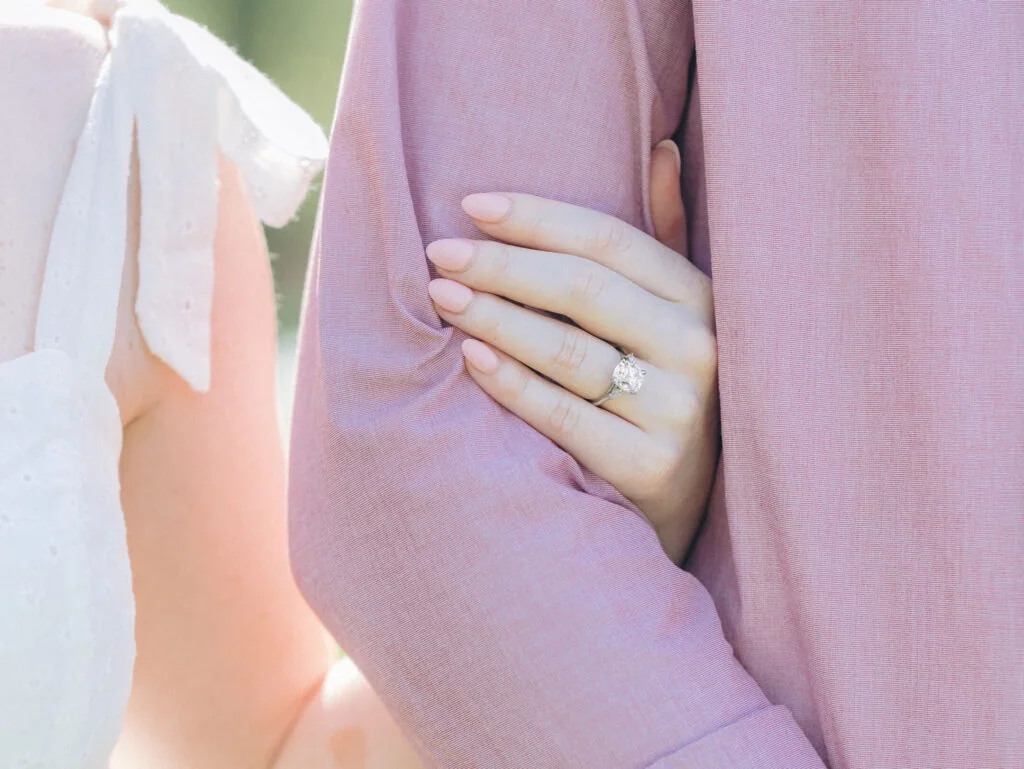
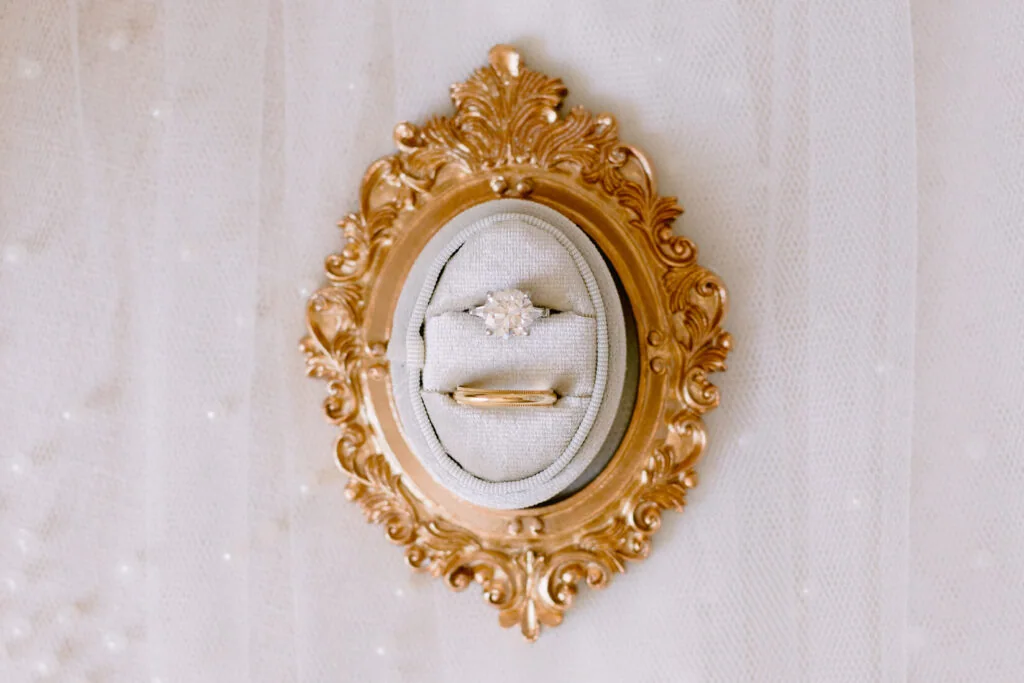
An engagement ring is a symbol of commitment and the promise of a shared future. It often features a center stone, sometimes surrounded by smaller stones, and can be created in many different metals, shapes, and settings.
The perfect ring is not defined by one trend or price point. It is the ring that reflects your partner’s personality, works with their lifestyle, and carries meaning for both of you.
1–2. Begin with Style and Setting
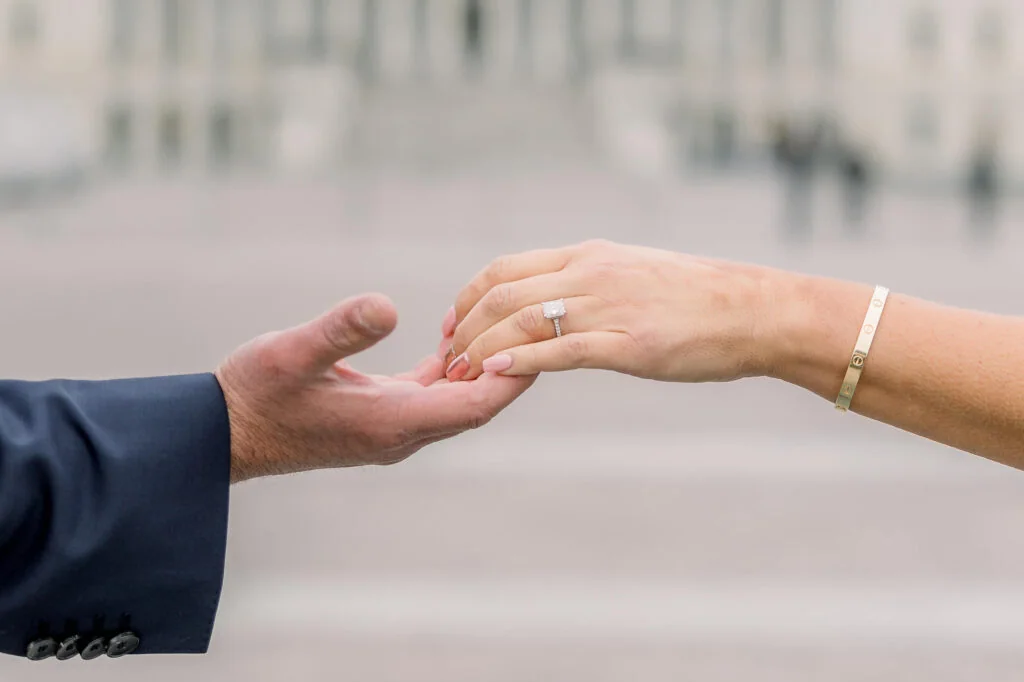
Start by learning whether your partner gravitates toward classic, modern, minimal, vintage, or highly detailed jewelry. Look at the pieces they already wear and notice the shapes, colors, and metals they choose most often.
Once you understand the style, explore settings that support it. A solitaire feels timeless and simple, while halos, side stones, and distinctive bands create a more detailed look. A trusted jeweler can help you compare options without making the process overwhelming.
3. Understand Your Partner’s Preferences
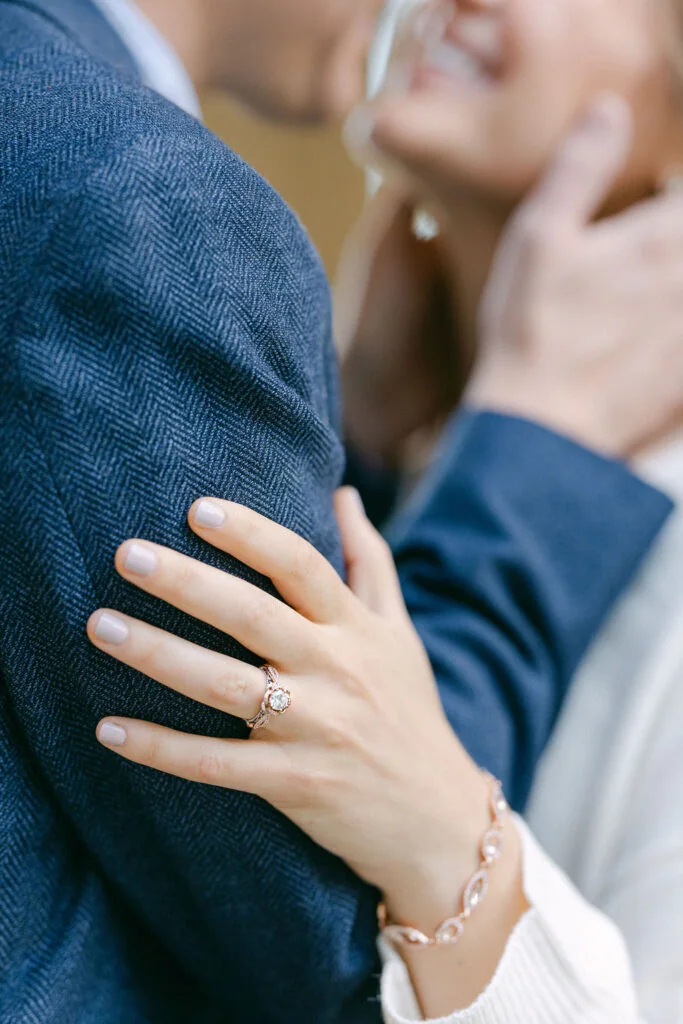
Pay attention to the jewelry your partner saves, admires, or wears regularly. Their close friends or family may also know which styles they love and can help without spoiling the surprise.
Think beyond appearance. Someone who works with their hands or leads an active lifestyle may prefer a lower setting or a design that feels comfortable for daily wear.
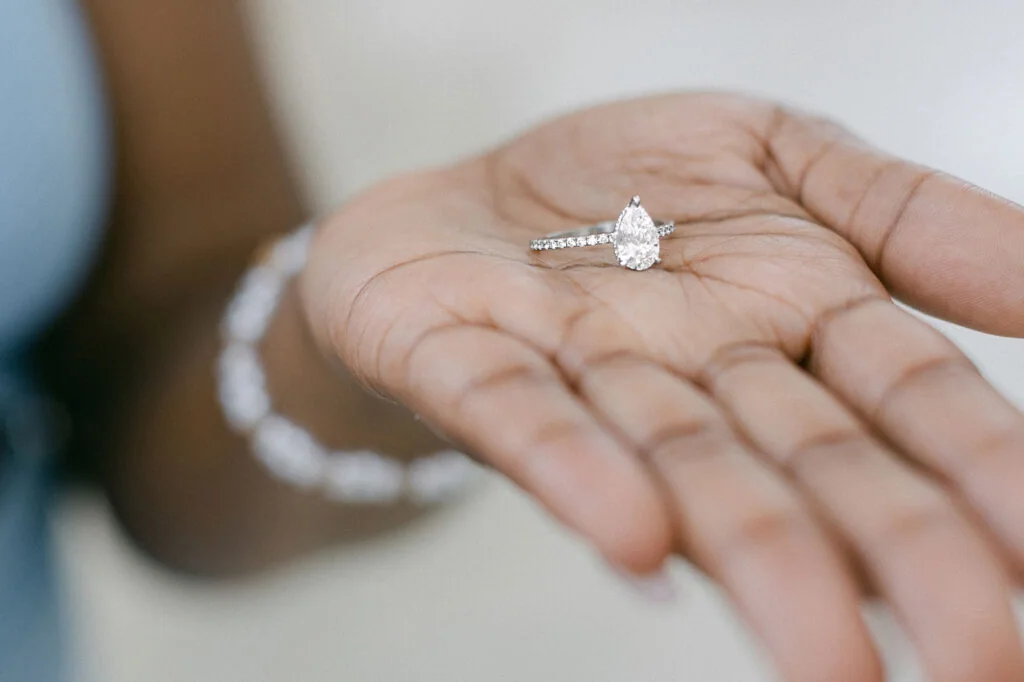
4–5. Get the Ring Size Right
The most reliable option is professional measurement with a jeweler’s ring sizer. If the proposal must remain a surprise, borrow a ring worn on the correct finger and ask a jeweler to measure it.
A trusted friend or family member may know the size, but avoid relying only on averages or guessing from hand size. A precise measurement helps the ring feel comfortable and secure from the first moment.
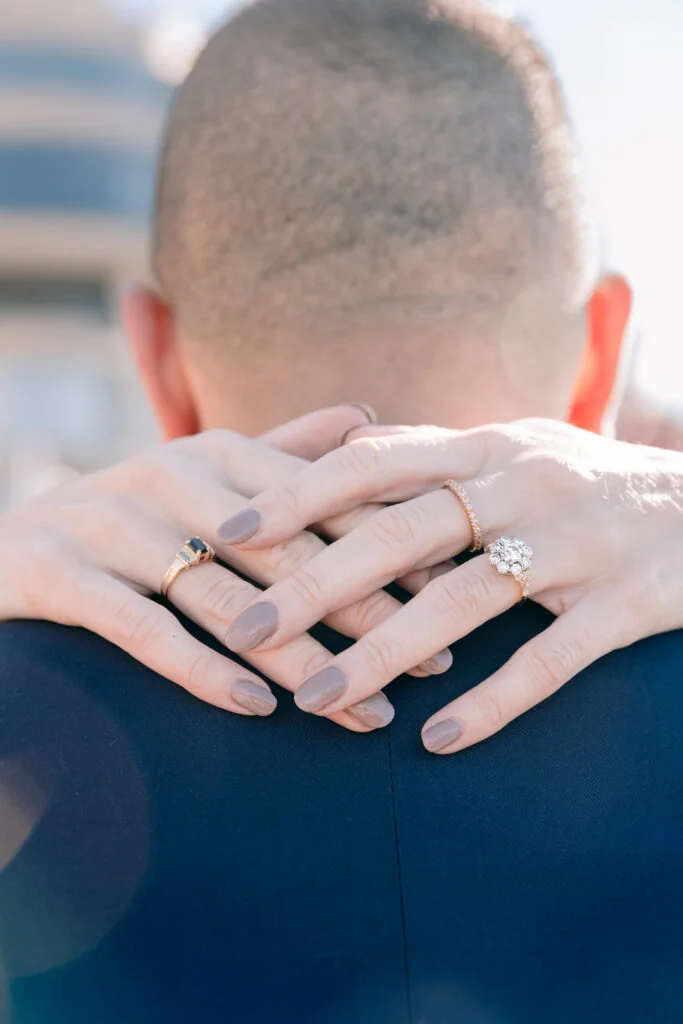
6. Review Materials and Quality
The band material influences the ring’s color, durability, care, and price. White gold, yellow gold, rose gold, and platinum are common choices, while mixed metals can create a more distinctive result.
Ask about stone grading, certification, craftsmanship, and the origin of the materials. A beautiful ring should also be made well enough to support years of everyday wear.
7–8. Set a Budget and Protect the Ring
Choose a comfortable budget before shopping. This makes it easier to compare stones, materials, and settings without creating unnecessary financial pressure. The emotional value of the ring matters more than following an arbitrary spending rule.
Once purchased, consider insurance that covers loss, theft, or damage. Review the available coverage carefully and keep the receipt, appraisal, certification, and photographs of the ring in a secure place.
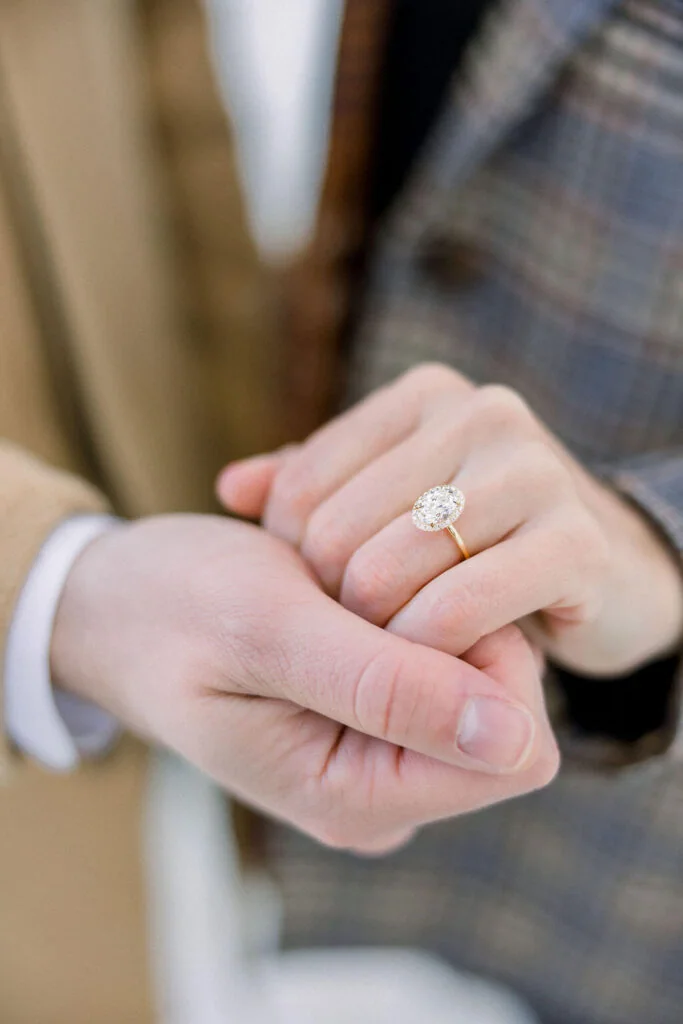
9–10. Plan for Care and Flexibility
Regular cleaning and professional inspection help preserve the ring’s beauty and catch loose stones or worn settings early. Ask the jeweler what maintenance is recommended and whether service is included with the purchase.
Before buying, understand the return, exchange, and resizing policies. Clear terms provide flexibility if the fit, setting, or final choice needs an adjustment after the proposal.
Ten Tips, One Simple Goal
Know your partner, make an informed choice, and select a ring that fits your shared life. The best decision is thoughtful, financially comfortable, and grounded in what the ring means to both of you.
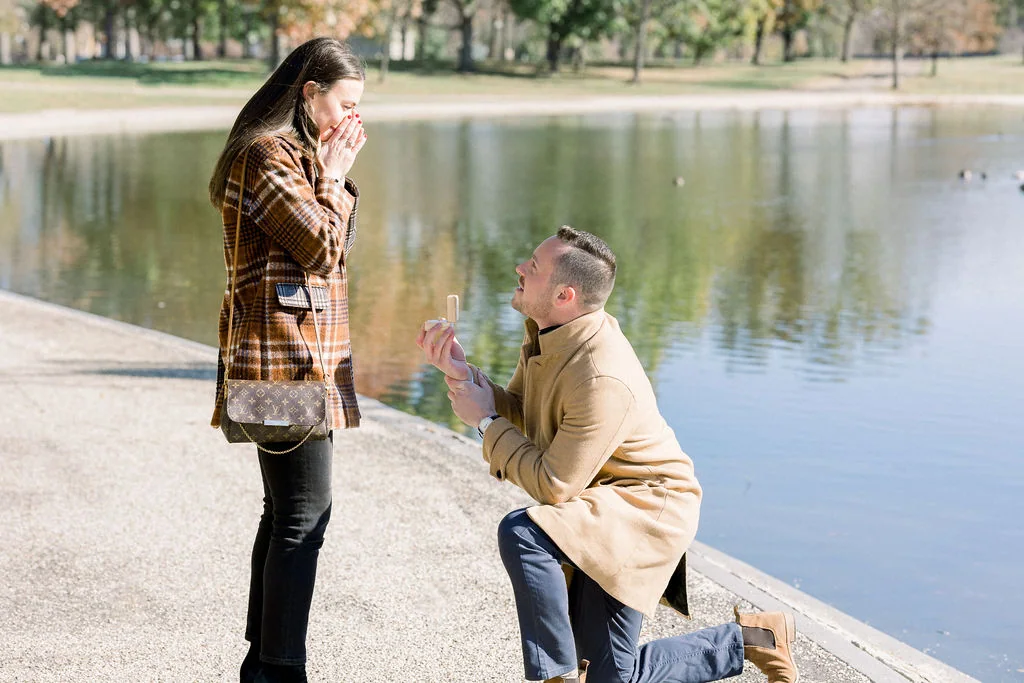
The Moment Beyond the Ring
When you open the box, you are presenting more than a piece of jewelry. You are sharing a promise, a future, and a new chapter in your relationship.
Take your time, trust what you know about your partner, and remember that sincerity will always matter more than perfection. The right ring supports the moment; your love is what makes it unforgettable.