


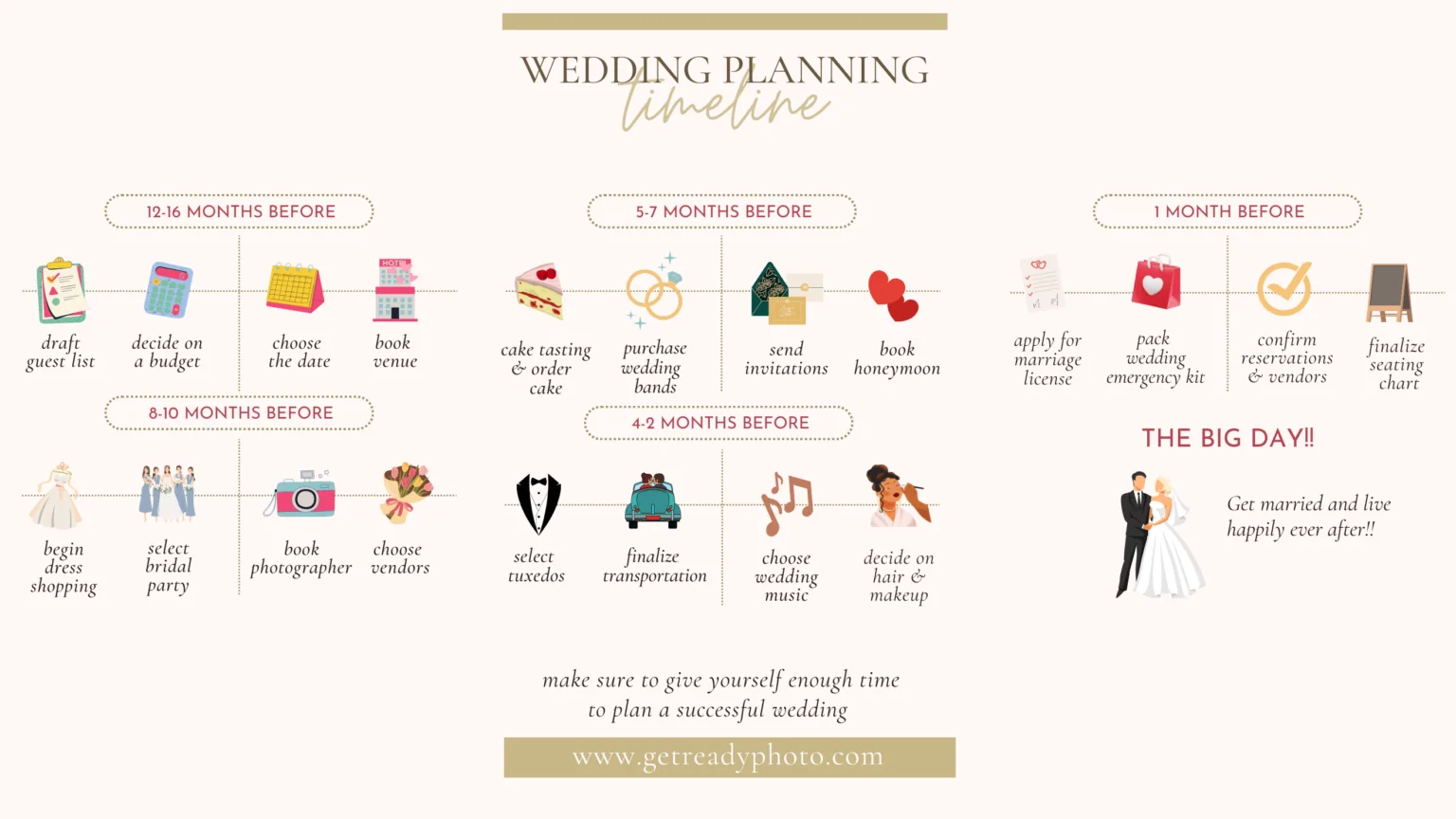
1. Celebrate Before You Plan
Begin by enjoying the engagement itself. Share the news, plan a meaningful dinner or outing, and give yourselves time to appreciate this new chapter before making major decisions.
When you are ready, talk about how you want the wedding to feel. Discuss the size, atmosphere, location, traditions, and experiences that matter most to each of you. A shared vision makes every later choice easier.
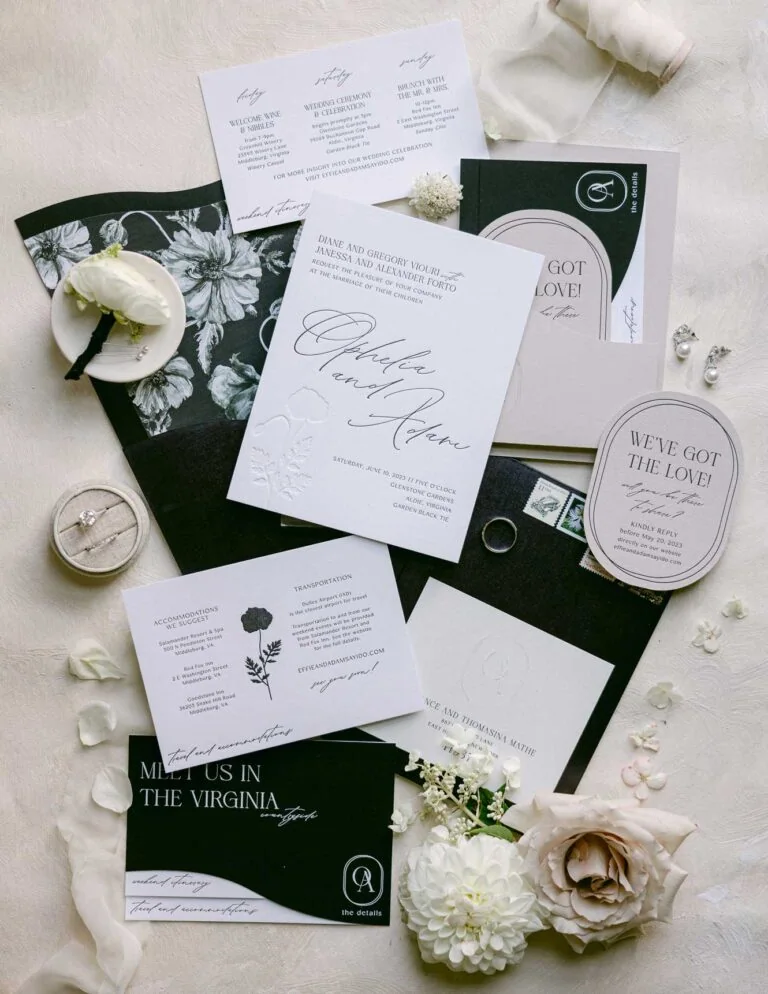
2. Build the Planning Foundation
Before contacting venues, establish three connected priorities: a comfortable budget, an approximate guest count, and a preferred date or season. Together, these decisions define what is realistically possible.
Break the budget into categories such as venue, catering, photography, attire, florals, entertainment, stationery, transportation, and contingency funds. Decide which areas matter most to you and keep a clear record of deposits, balances, and due dates.
Many couples benefit from beginning twelve to eighteen months ahead when they want the widest selection of dates and vendors, but a beautiful wedding can also be planned on a shorter schedule with focused decisions and good organization.
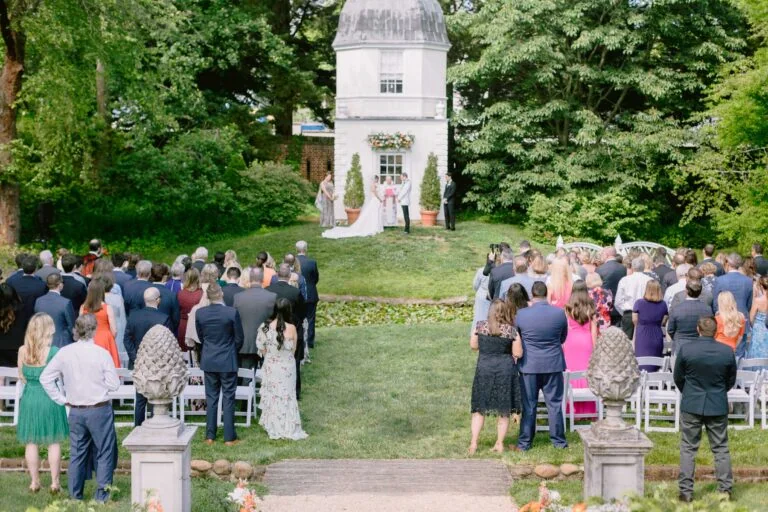
3. Choose the Date and Venue Together
Season and venue shape the light, temperature, travel plans, design possibilities, and overall rhythm of the day. Consider what each season offers, but also think practically about weather, accessibility, available indoor space, and guest comfort.
Before signing, confirm what the venue includes, how many hours you receive, vendor restrictions, setup and cleanup rules, parking, accessibility, payment schedules, cancellation terms, and the plan for difficult weather.
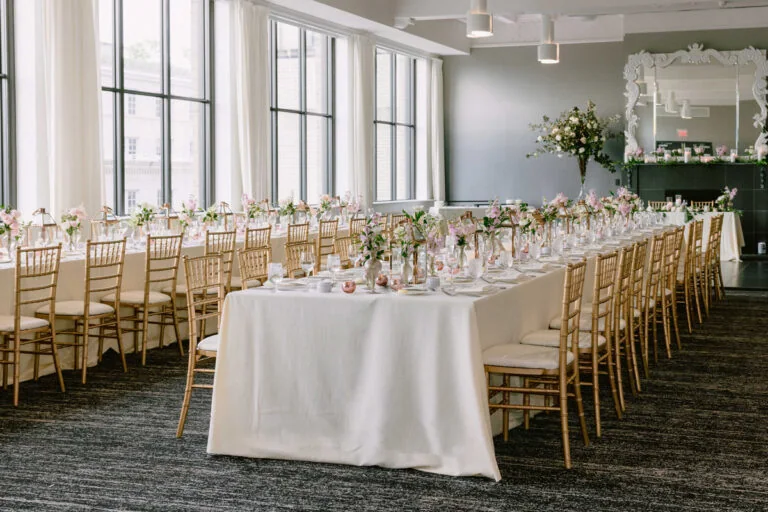
4. Build the Right Vendor Team
Start with the professionals whose availability influences the rest of the plan, often the planner, venue, photographer, caterer, entertainment, florist, and filmmaker. Seek trusted referrals, review complete portfolios, and ask questions about experience, communication, and approach.
Compatibility matters as much as style. Choose people who understand your priorities and communicate clearly. Read every contract carefully, including deliverables, payment dates, overtime, substitutions, rescheduling, and cancellation policies.
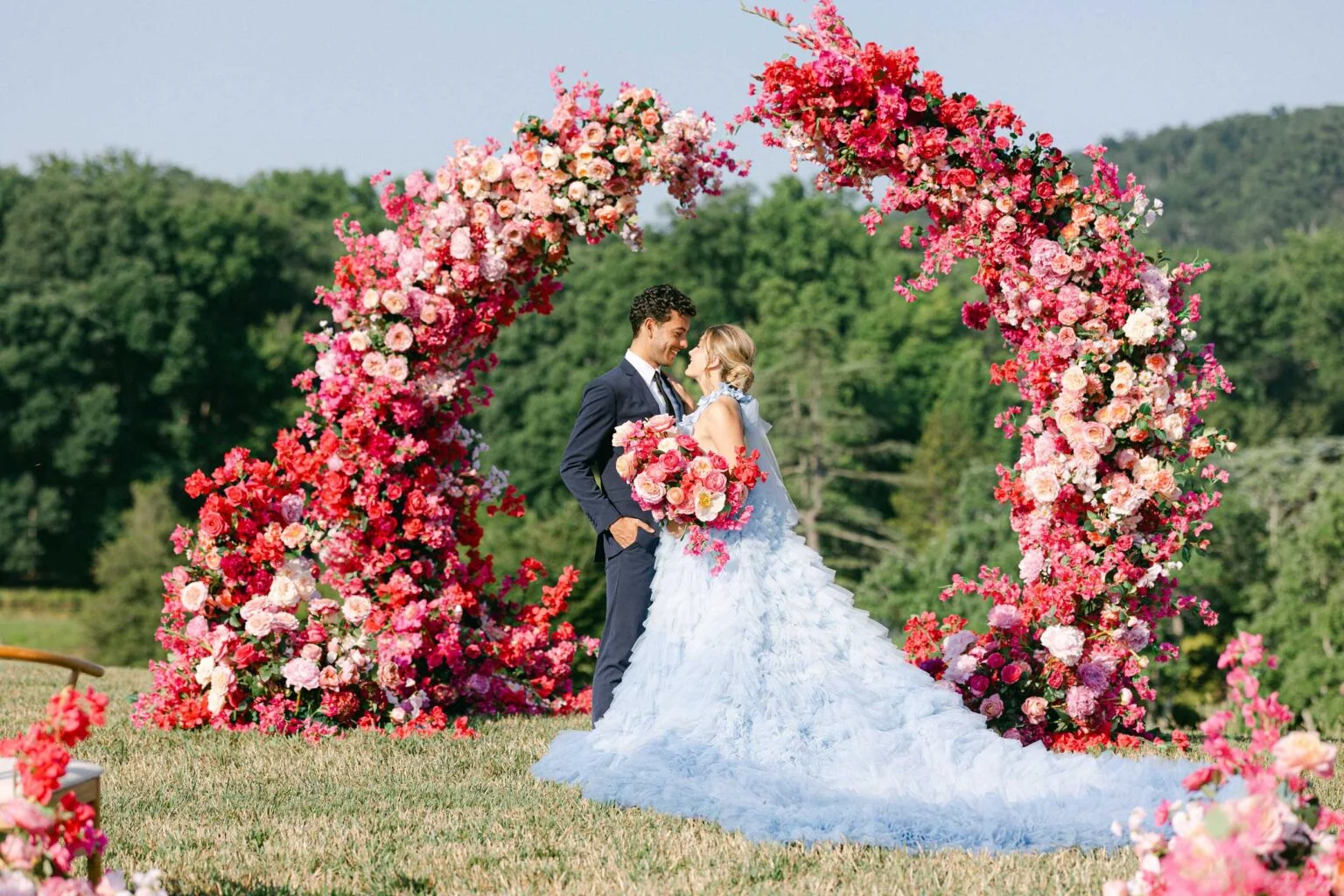
5. Design an Experience That Feels Personal
Gather inspiration for color, fashion, flowers, stationery, and atmosphere, then look for the ideas that appear consistently. A focused visual direction is more useful than a collection of unrelated trends.
Design is also about how the day feels. Consider the flow between ceremony and reception, guest comfort, music, food, meaningful traditions, and the moments you want to experience together. Personal details should support your story rather than make the celebration feel complicated.
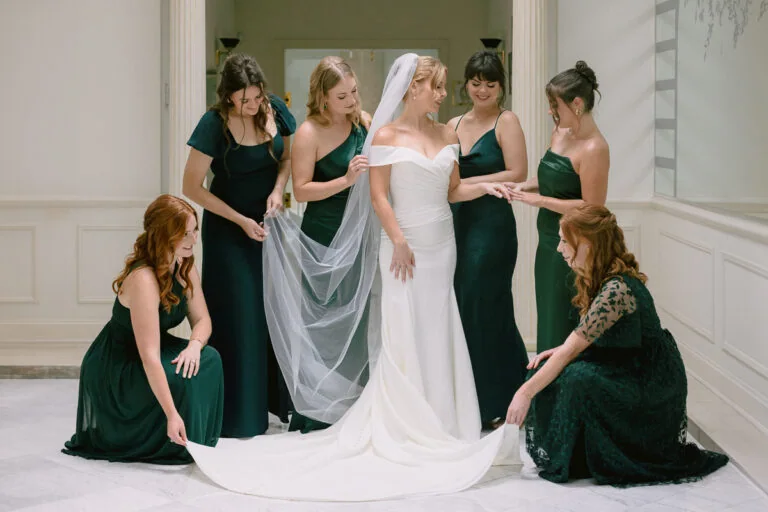
6. Organize Guests and Communication
Create the guest list with your venue capacity and budget in mind. Choose a wedding party made up of people who genuinely support you, and be clear about any responsibilities, schedules, attire, or costs involved.
A wedding website can keep essential information in one place: dates, addresses, accommodations, transportation, dress guidance, registry details, and RSVP instructions. Clear communication reduces repeated questions and helps guests feel prepared.
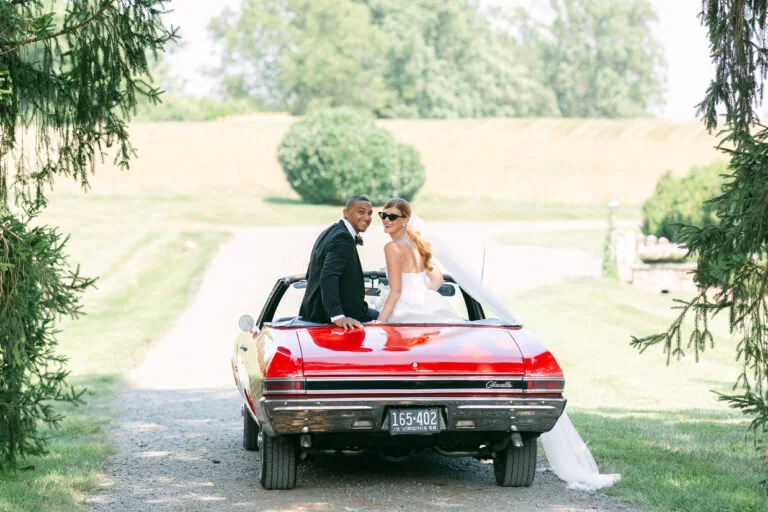
7. Prepare for the Final Countdown
As the wedding approaches, confirm the timeline, final guest count, transportation, vendor arrivals, family photographs, ceremony details, payments, and the person responsible for each important item. A planner or coordinator can protect you from managing logistics on the wedding day.
Use the rehearsal and rehearsal dinner to answer final questions and reconnect with the people closest to you. Prepare a small emergency kit, pack personal details in advance, and designate someone other than the couple to handle unexpected issues.
Keep the Marriage at the Center
A wedding is an extraordinary celebration, but it is also the beginning of a marriage. Make decisions together, communicate honestly, and give yourselves permission to release details that do not serve your priorities.
Once the day arrives, trust the plan and the team you selected. Give yourself time to breathe, eat, speak with the people you love, and absorb the moments that will pass more quickly than expected.